
Supporting Dentists. Promoting Oral Health.
Struggling with patient care while navigating complex regulations? The Indiana Dental Association empowers Indiana dentists by providing essential resources, guidance, and advocacy. With the IDA’s support, you can focus on delivering exceptional oral health care, knowing that your professional needs are covered.
Become a Member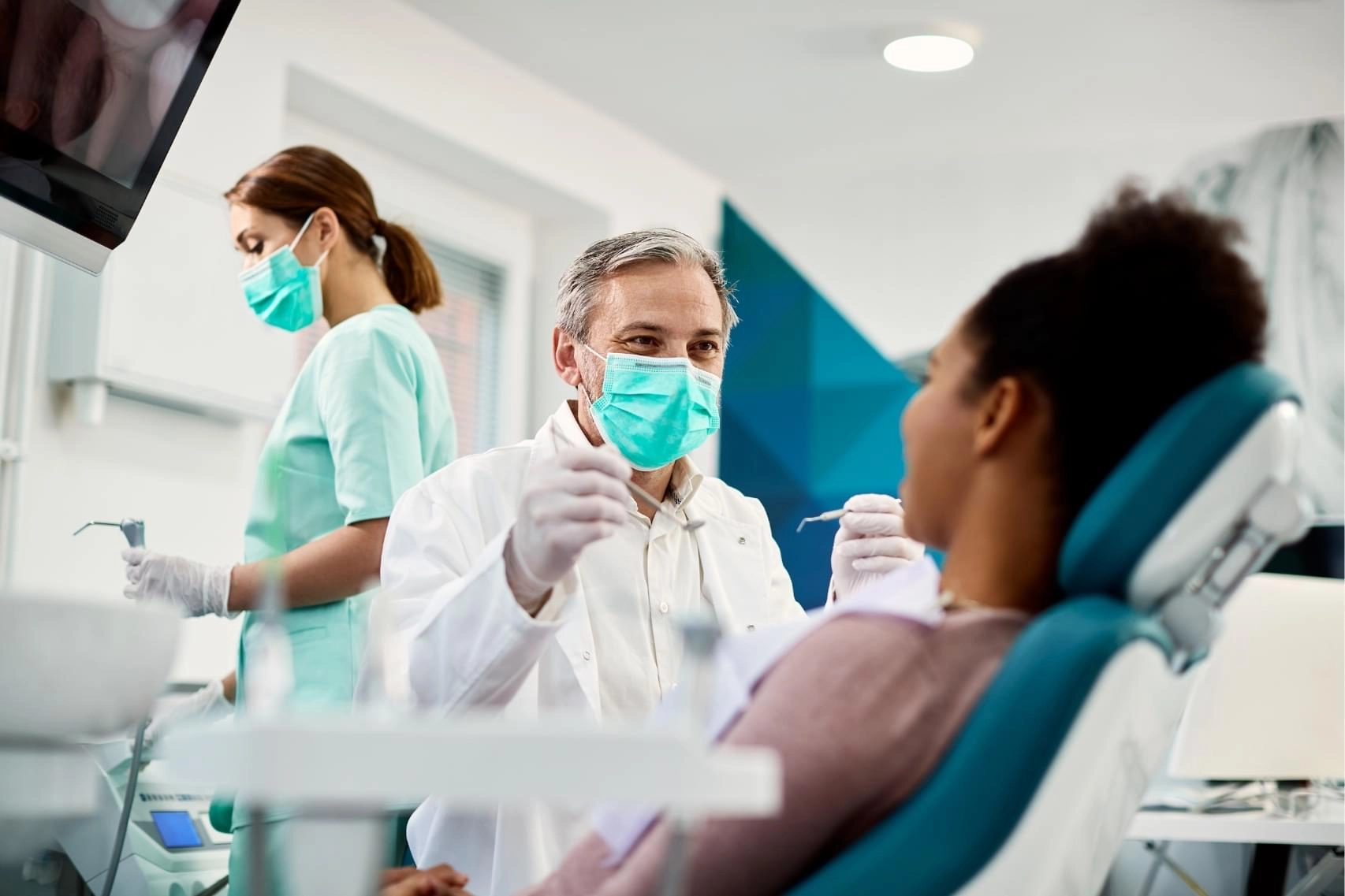
ADA & IDA
Latest News
View all
Dr. Lorraine Celis Becomes 168th President
Read more

Join Our Five Pillars of Wellness Seminar in June
Read more
Indiana Department of Health Shares Infection Prevention Updates
Read more

Indianapolis to Host ADA Scientific Session in 2026
Read more

Membership Renewal for 2026 is Here
Read more

2025 Ethics and Opioids CE Now Available
Read more
IDA Continuing Ed Gets You Ready for License Renewal
Read more
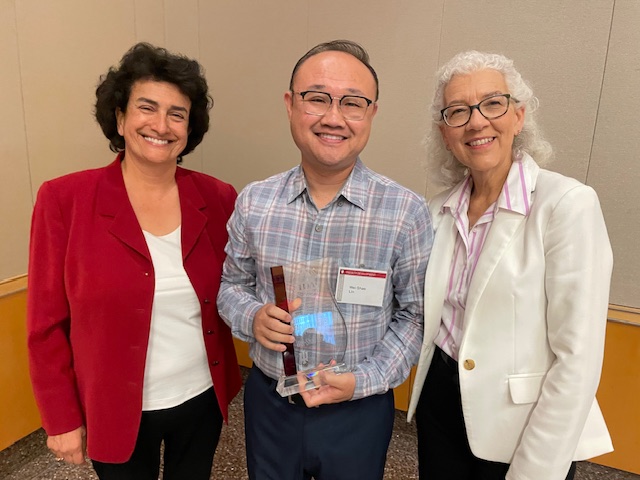
IDA Awards Outstanding IUSD Faculty
Read more
Focus on Care. Leave the Rest to Membership — Join Today.
- Affordable Continuing Educaiton
- Connect with a Professional Community
- 24-Hour Information & Updates
- Help Researching & Answering Questions
- Minimize Cost of Doing Business
- Advocacy Ensuring Your Voice is Heard
Classified Ads
View allFor Lease
 10081 Wicker Avenue, St John IN 46373
Associate Dentist for NW Indiana Practice.
Traveling Dentist
Dental Hygienist
Corydon, IN 47112
Owner Occupied Commercial Real Estate (100% Financing)
Join our team as a Full-Time Dental Hygienist
Whiteland, Indiana
Associate Dentist: Brazil Indiana
Openings in Fort Wayne at Dr. Scheele’s Practice

Let us help you get the word out
Advertise with the IDA